
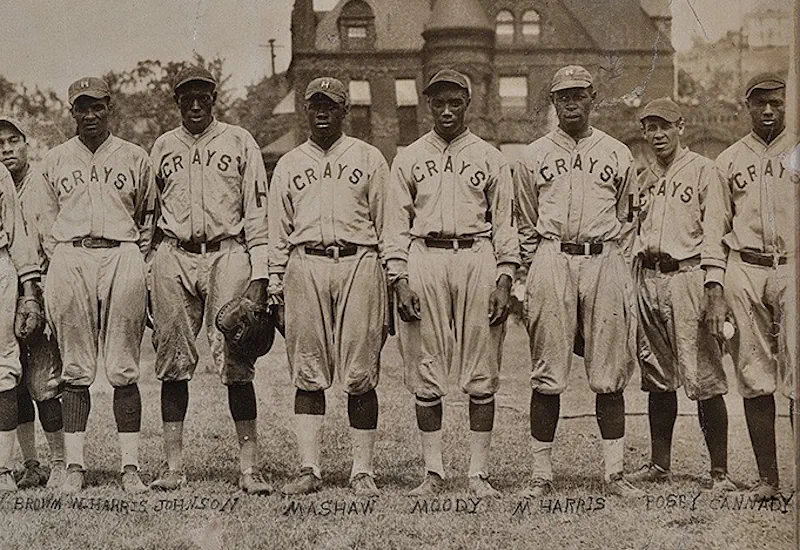
Allegheny Cemetery is the final resting place for over 137,000 loved ones entrusted forever to our care.
The Allegheny Cemetery Historical Association was created to help support the historical landscape and structures within our hallowed grounds. When you respectfully visit Allegheny Cemetery or contribute to the A.C.H.A., you are honoring the founders and the community that built our great city.
Historic Preservation
Your support helps aid the restorative work being done to the Butler Street Entrance Complex. This includes the Gatehouse, the Gate, and the Administration Building. Recently, the 12-foot arched windows on the 1st floor of the administration building were painted to match the gatehouse.
The entire Butler Street Entrance Complex, including the administration building, is on the National Register of Historic Places and is vitally important to the historic integrity of the cemetery.
We hope you will continue to support the Allegheny Cemetery Historical Association by sharing kind donations as we fulfill its mission of conservation, preservation, and restoration.
Raymond “Moe” Harris
Second Basemen for the Homestead Grays & the Pittsburgh Crawfords
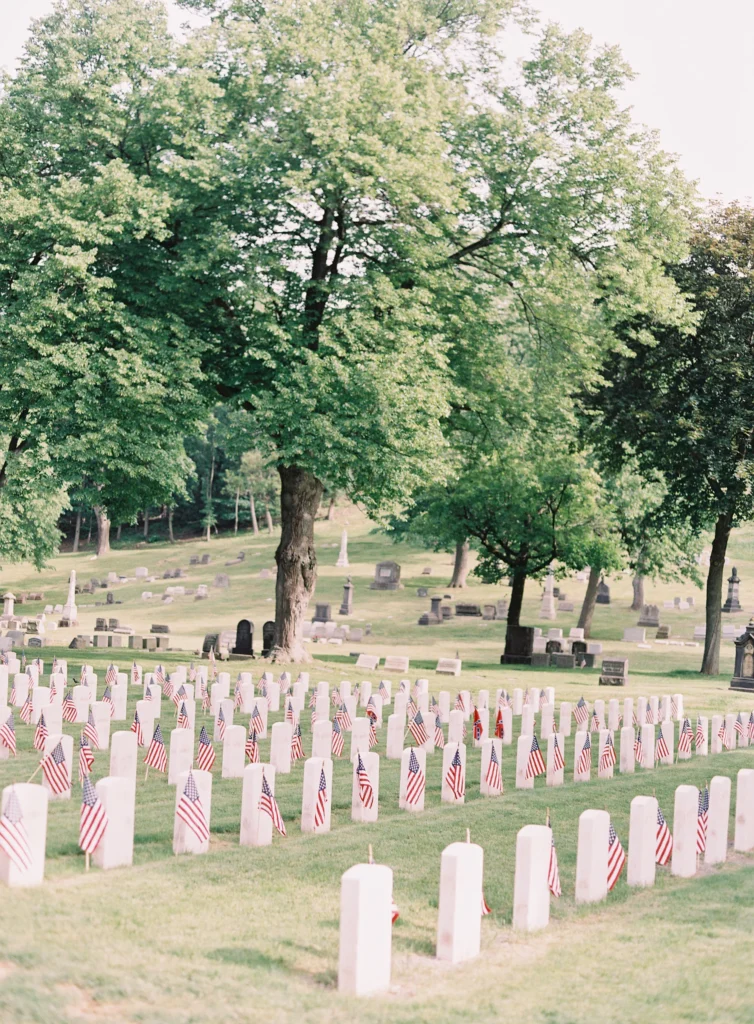
Section 52, Lot 263 | March 5, 1898 – July 25, 1964
Allegheny Cemetery is home to many baseball icons, from Josh Gibson (often considered one of the game’s greatest hitters) to Albert Kennedy “Rosey” Rowswell (the original voice of the Pittsburgh Pirates). Among the players and other baseball personnel buried in Allegheny Cemetery is Raymond “Moe” Harris, a Pittsburgh native who played professionally for the Homestead Grays and would later go on to umpire in the second National Negro League (NNL II).
“Moe” Harris, born in 1898, was a native of Allegheny City (now Pittsburgh’s North Side), where he attended Allegheny High School. While there, he played shortstop and second baseman for the school. After high school and before going pro, Harris played for the semi-pro L.J. Whites and the Rippley Giants. He started his professional career with the Harrisburg Giants, but in 1922 returned to Pittsburgh to play for the Homestead Grays. He captained the team for three years. Harris also played for the Brown Stars in Youngstown, OH, for two years.
Harris was considered an average hitter, but he was beloved by the crowd. An article from the Sept. 15, 1927, edition of the New Pittsburgh Courier claimed that fans saw him as a “money player” who always came up big when it was needed. Standing at 5’11” and weighing 180 lbs., his natural athleticism and his baseball IQ made him a smart, reliable player. Another article written in the Courier in January 1937 said that during his playing career Harris was known as “the nastiest talker to umpires of all times,” but ended his career “as a player with the reputation of [a] perfect gentleman who never rode umpires.”
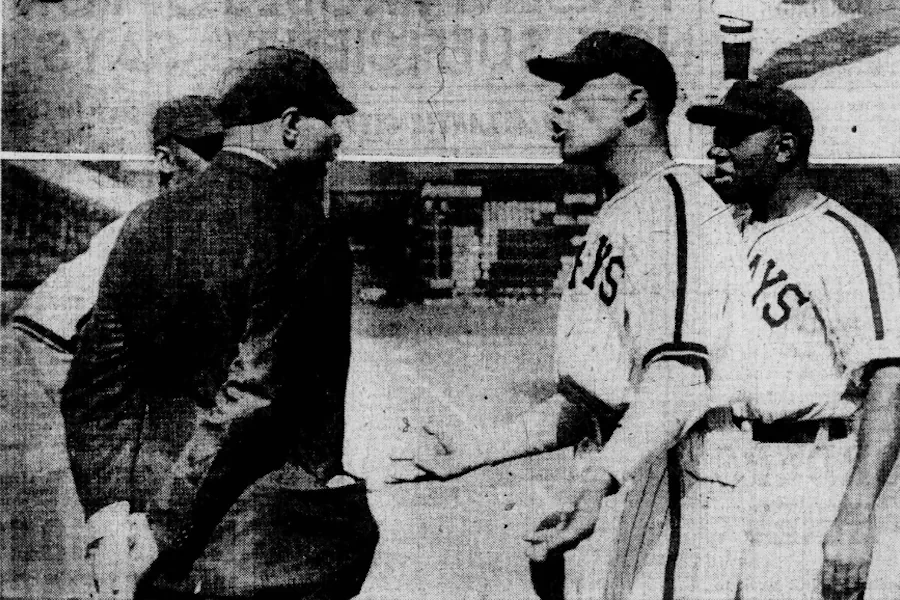
Raymond “Moe” Harris (left, in black), in one of the many games he umpired, having a heated discussion with Homestead Grays player Ray Brown. Photo via the Aug. 30th, 1941 edition of the New Pittsburgh Courier.
Harris retired from professional baseball in 1929, although he did make a brief return in 1931 to play for the Pittsburgh Crawfords. After retiring, Harris managed the Black Hawks, a local team that played at Forbes Field (where the Pirates and the Grays played).
By 1932, Harris had become an umpire for the newly formed Negro National League II. The league, founded by Pittsburgh businessman Gus Greenlee, was the second of its name. Greenlee, who is also buried at Allegheny Cemetery, owned the Pittsburgh Crawfords and the Crawford Grill, a historic club located in the Hill District. Harris worked as an umpire in the NNL until its dissolution in 1948, when it integrated with the MLB. An article in the Courier in 1943 said that people called Harris “the best umpire” in the NNL and that “both the fans and ball players agree he knows what the score is.” Several photos of Harris during his time as an umpire can be seen in the Charles “Teenie” Harris digital archive at the Carnegie Museum & the Library. Baseball was not the only place where Harris was active. In 1935, Harris started to dip his toe into politics. For four years, Harris served as a county detective under the District Attorney.
Moe Harris passed away on July 25, 1964, at the age of 66. He is buried in Section 52, Lot 63 next to his wife, Nannie Harris. His service was attended by many former teammates and the people he met through his political and civic life. According to an article in the New Pittsburgh Courier, his pallbearers included former baseball players Ralph Mellix, Sam Bankhead, and Charles Hughes. After his passing, it was said that among his peers he was “known and respected for his competitive spirit and sportsmanship.”
Share